
How Arrest Warrants Work in San Patricio County
Under Texas Code of Criminal Procedure Chapter 15, an arrest warrant is a written order from a magistrate telling an authorized officer or person to take an accused into custody. The statute spells out what the document must contain and lets a magistrate act on a sworn complaint backed by probable cause. That process is distinct from what a court does after a missed appearance, which is where bench warrants come from. On the local side, a San Patricio County Sheriff Office Clerk posting says the office receives misdemeanor and felony warrants from JP, municipal, county, and district courts. The same posting covers TCIC/NCIC entries, booking, detainers, and bond processing. Those are the operational steps behind a warrant, not a public Sheriff warrant lookup. For the actual legal framework, read the official Chapter 15 text, the state source on the written order and the magistrate's role.
San Patricio County Uses the Chapter 15 Process
A magistrate in San Patricio County reviews the sworn complaint or affidavit and the legal basis submitted in a case before signing anything. Chapter 15 lists what the warrant itself must carry: the accused person's name or description, the offense, and the magistrate's signature and office. No countywide warrant-number pattern or public criminal-warrant form appears in what the county publishes. The Texas Judicial Branch trial-court overview lays out the court levels that handle these cases across the state, which helps explain which court in San Patricio County controls a given matter. It is a jurisdiction reference rather than a warrant record. For any one case, the issuing court remains the confirming source. The page that follows links directly to that court-structure material.
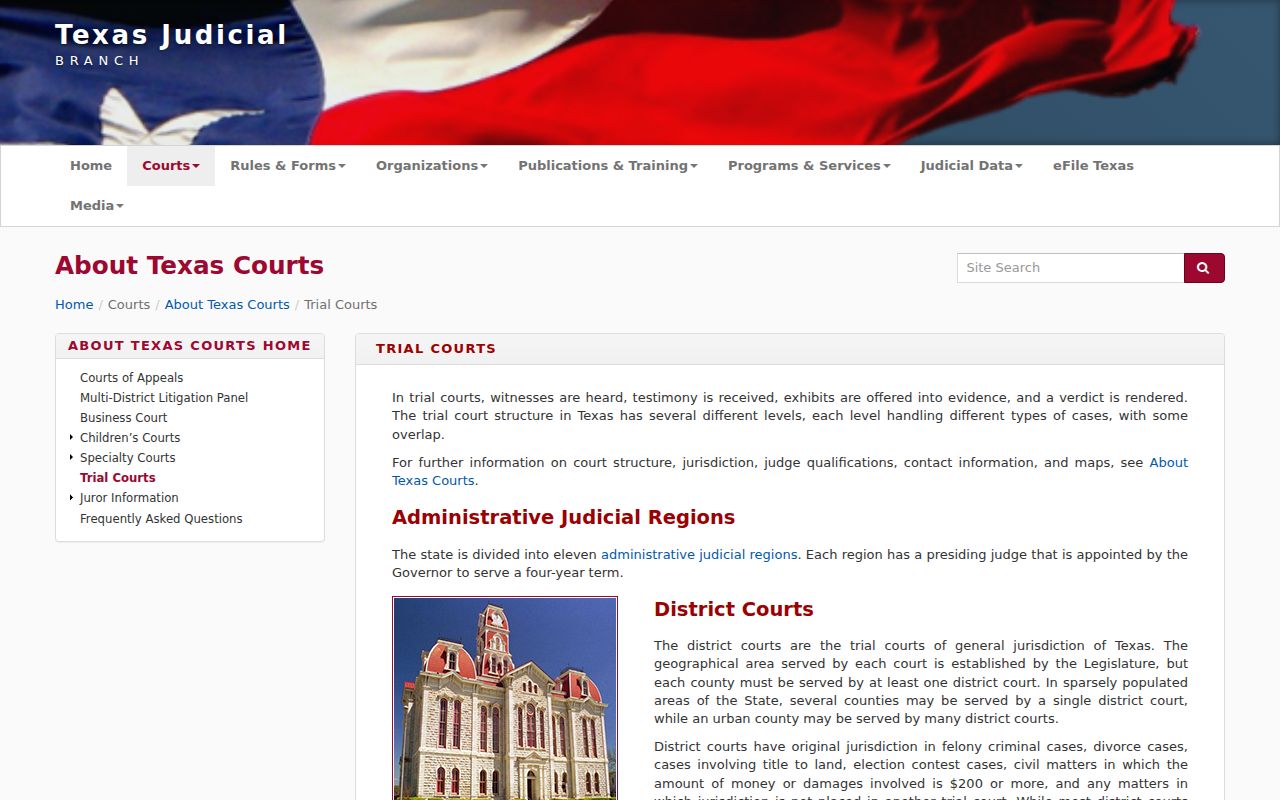
For any single case in San Patricio County, the issuing court or magistrate remains the office that confirms the current order.
The Chapter 15 text controls the warrant’s legal requisites.
Arrest Warrants: What They Contain
A warrant record can tie an order to a court and a case. San Patricio County does not publish one shared field inventory, though. Some warrants are sealed or withheld. Active law-enforcement details may be restricted too. Treat any field list as a set of questions for the clerk, not a promise that every item is public or displayed in a single portal.
| Identifier | Court-issued cause or warrant number, format varies by source |
|---|---|
| Person named | Identity data is not copied or republished here |
| Offense | Charge or offense description when public |
| Issuing authority | Magistrate, court, or clerk named in the case |
| Issue date | Ask the clerk to confirm when the order was entered |
| Bond or release term | Case-specific; no countywide bond schedule was found |
A court may keep the affidavit or other supporting material separate from the public docket in San Patricio County. Ask the clerk which parts can be inspected and whether a sealing order or exception applies.
San Patricio County Sheriff Warrant Intake
The San Patricio County Sheriff's Office is the county's law-enforcement channel for warrants. A March 30, 2026 job posting describes the work: intake of warrants from several local court levels, processing of cash bonds, TCIC/NCIC entry, detainers, and booking. Those systems are restricted law-enforcement networks, not public search portals. To reach the office directly, the county Sheriff page lists 300 North Rachal in Sinton and 361-364-9600, while jail operations questions go to Major Lopez at 361-364-9630. The county's specialized directory shows a different Sheriff/Jail contact, so figure out first whether you need booking, bond, civil service, or records, and call ahead before driving over. For the court side, the County Clerk's page explains its criminal and collections phone routing. The material that follows is a routing reference for county courts and clerks, not a display of individual warrant entries.
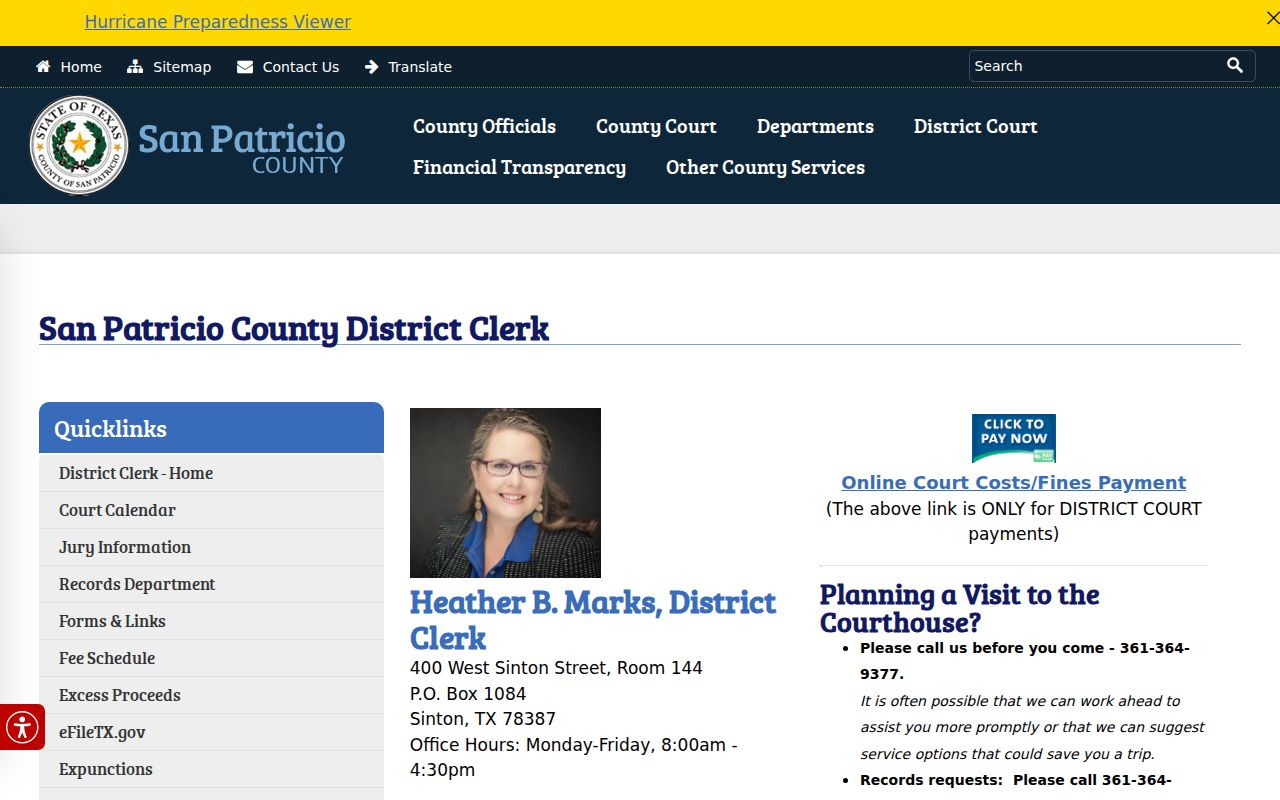
The court clerk confirms the case on the court side in San Patricio County. The Sheriff answers operational questions about custody and bond intake.
How Warrants Get Served in San Patricio County
The issuing court creates a warrant in San Patricio County. Authorized peace officers carry out the service. The Sheriff posting shows warrant intake arriving from JP, municipal, County Court, and District Court sources, along with detainers sent to outside agencies, the Texas Department of Criminal Justice, or U.S. Marshals. Paying a local citation does not necessarily lift a separate detainer. After an arrest, custody and booking questions belong to the agency or jail holding the person, while the charge, the appearance date, and any warrant recall stay with the court. One more caution: visitation blocks are not bond hours. The jail operations document publishes visitor identification rules and restrictions, not warrant status or a bond-window schedule.
San Patricio County Arrest Warrants and Custody
An arrest warrant, an arrest report, and a booking entry answer three different questions. A warrant is legal process. An arrest report is an agency's record of an event, and booking and release records describe jail custody. VINELink may help with custody status, but the San Patricio County Sheriff's page does not present it as a public warrant search. A person can have an active warrant without any current booking. For a police report, ask the arresting agency directly. Portland's open-records instructions separate Police and Municipal Court files from city-secretary records. Ingleside Police Central Records handles its police report requests. A county Public Information Act request can reach records held by a San Patricio County office, subject to redaction and statutory exceptions. Name the agency, the date range, the record type, and the case number if known. One clerk rarely holds both police and court files.
Arrest Warrants, Summonses, and Bench Warrants
A summons is not an arrest warrant. It asks you to answer a case without taking you into custody. A bench warrant works differently. So does a capias. Both usually trace to a missed obligation in a San Patricio County case, so the title and issuing court matter; ask the clerk which paper you face.
| Process | Common basis | What to ask |
|---|---|---|
| Arrest warrant | Magistrate’s probable-cause review | Which court, charge, and bond terms apply? |
| Summons | Notice to answer or appear | What is the response date and method? |
| Bench warrant or capias | Missed setting or court obligation | Does the court require appearance or recall filing? |
For the missed-setting route, see the San Patricio County bench warrant process.
San Patricio County Federal Warrants Are Separate
Federal warrants live in a different system. San Patricio County sits in the Southern District of Texas, Corpus Christi Division. Federal dockets stay separate from county municipal, JP, County Court, and District Court records. PACER is the official access point. Some federal warrants and supporting filings may be sealed. A blank docket search proves nothing either way. The U.S. Marshals Gulf Coast Violent Offenders Task Force pairs federal officers with state and local partners. It posts no San Patricio roster. A regional release once reported Coastal Bend activity across several counties and agencies. That is not a county-only warrant count. For routing, the Corpus Christi Division court page shows where federal matters in this part of Texas are heard, and an attorney can help you find the right federal contact for a personal warrant concern.
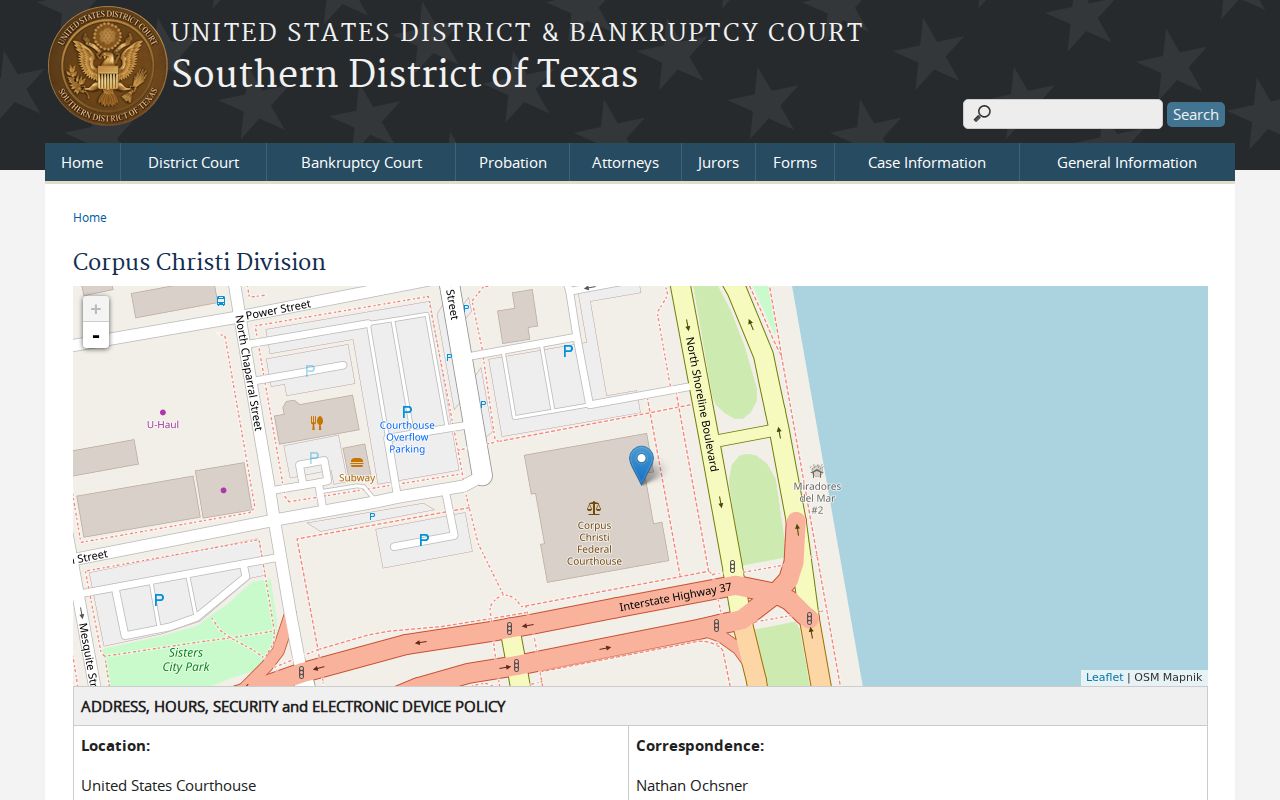
Federal courts sit apart from San Patricio County government.
San Patricio County Arrest Warrant vs Summons
San Patricio County draws a real line between an arrest warrant and a summons. Chapter 15 of the Code of Criminal Procedure governs a warrant's authority and how it gets executed. A summons or citation works differently: it sets a court date without taking anyone into custody. Miss that date, though, and the court can start separate process for the failure to appear. Know which paper was issued, and by which court, before you call anyone about it.
Record limits: Chapter 15 explains arrest-warrant requisites. Texas Government Code Chapter 552 provides public-record request rules and exceptions. Juvenile and sealed information can receive separate protection.
For records by phone, San Patricio County splits the work. The District Clerk takes requests at 361-364-9377, option 2, while County Clerk routing runs through 361-364-9350. Neither clerk is a universal portal for municipal or JP cases. To sort out which trial court handles a criminal matter, start with the official trial-courts overview from the Texas Judicial Branch.
A court structure diagram does not reveal individual case status.
Handling an Arrest Warrant in San Patricio County
A San Patricio County arrest warrant is not something to guess about. Skip the online payment screen. Have a lawyer confirm the court, the charge, and the bond amount, and weigh a voluntary surrender or a motion to recall or quash. Only the issuing court controls that order. The Sheriff handles custody and bond once the court route is clear.
Important: Speak with an attorney before an in-person surrender. Confirm the issuing court, bond process, required papers, and any separate detainer first.
Paper matters in San Patricio County. Keep court orders, bond receipts, and clerk confirmations, and ask how the court notifies the Sheriff, TCIC/NCIC, or DPS once a matter closes. If someone is detained, a relative can ask the jail about booking and bond, then call the court. One payment or status screen may not clear a separate warrant.